
A Practical Playbook for Community Pharmacies
Growth shouldn’t mean ore chaos. Yet, for many community pharmacies, expanding clinical services is exactly when operations start to feel heavier, noisier, and harder to manage.
The truth is, vaccinations, medication reviews, minor ailment prescribing, and travel consults all bring opportunity for pharmacies. The demand exists, the funding models encourage uptake, and patients are already asking for easier access to care. Despite this reality, many pharmacies find their services reaching a limit far sooner than they should.
In so many cases, the issue usually isn’t capacity. It’s administration.
Why Clinical Services Stall at the Admin Layer
Each new service introduces a layer of coordination that rarely gets planned for in advance, leading to bookings, calendars, confirmations, and cancellations slowly piling up for pharmacists and their teams. What starts as a few extra phone calls can quickly become a constant stream of interruptions that cut into a previously established high standard of care.
Staff end up context-switching all day between dispensing, bookings, answering questions, and back again. Over time, this cuts directly into efficiency and confidence because growth demands expands faster than clinical output operations.
Most pharmacies don’t decide to stop growing services, they just can’t keep up.
Booking Friction and the Cost of Unused Clinic Time
One of the clearest drivers of admin strain, ironically, is poorly operationalized clinic time.
Pharmacies often set aside space and hours for services, only to see empty slots remain unfilled, or worse, over-booked. Patients struggle to reach the pharmacy at the right moment, staff can’t always answer phones during peak periods, and last-minute cancellations leave gaps that are hard to recover.
The impact shows up in a few familiar ways:
- Clinics running below capacity despite patient demand
- Teams feeling busy without seeing proportional results
- Services perceived as “high effort, low return”
Over time, this friction dampens enthusiasm and slows expansion, even when the clinical model itself is sound and the opportunity for delivering revenue growth is real.
How Digital Scheduling Unlocks Capacity
Pharmacies that move past this bottleneck tend to focus on one thing: automating admin work and using software to simplify the process.
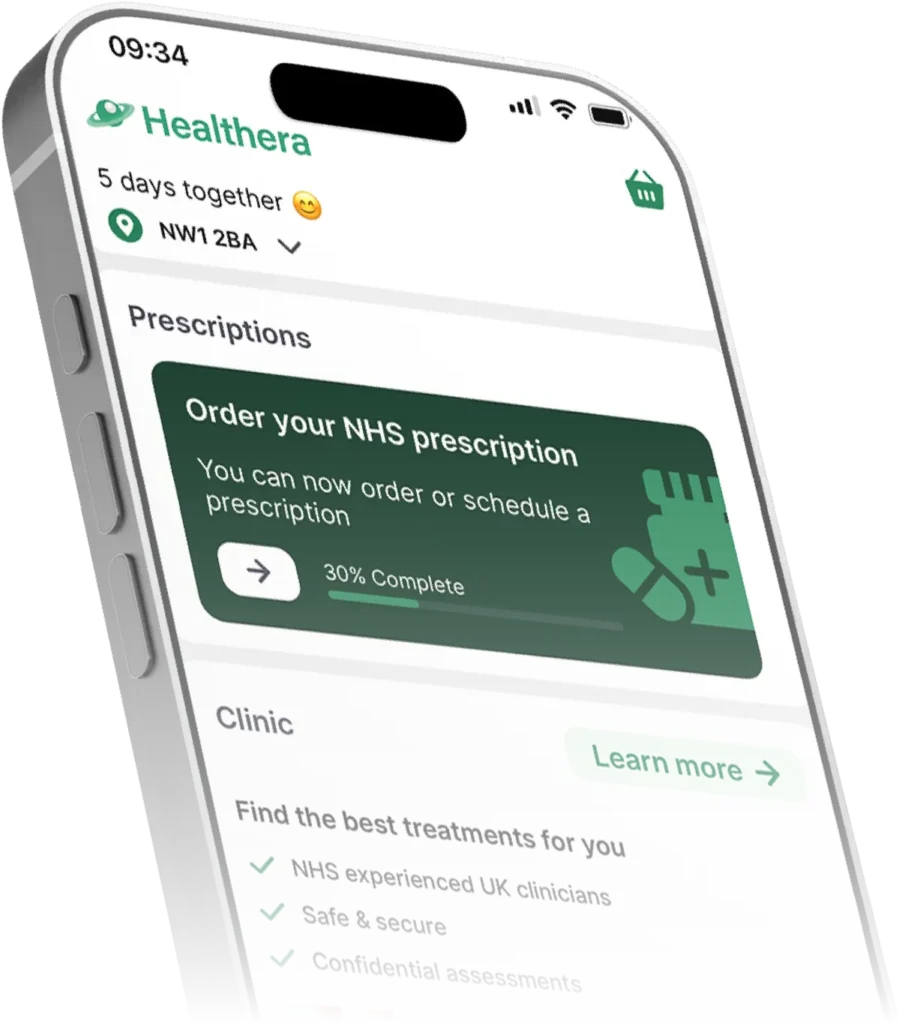
Digital scheduling, especially when patients are empowered to book directly from their phones, shifts the burden of booking away from staff and into the patient’s pocket. Patients can book when it suits them, clinic availability stays visible, and appointment slots fill consistently without constant phone traffic.
Instead of staff acting as intermediaries, systems handle the logistics and let the the patients take the lead. The day-to-day effect is subtle but meaningful, leading to fewer interruptions, clearer schedules, and less reactive work.
When done properly, this is all about integrating scheduling into workflows staff already use, and supporting the operation rather than complicating it. The right solution can take this chaos and make it organized, streamlined, and beneficial.
Scaling Services Without Overloading the Workflow
Pharmacies that scale successfully tend to approach service growth with a few guiding principles in mind.
First, they prioritize simplicity by designing workflows that hold up during busy periods, not just quiet ones. And they actively protect staff time by removing unnecessary manual steps.
Just as importantly, they make it easier for patients to engage. When booking and communication are straightforward and live on a mobile device, patients follow through more reliably and staff spend less time chasing logistics.
The result is a calmer, more predictable service operation that can grow without stretching the team thin.
The Bigger Picture
Scaling clinical services doesn’t require more admin. It requires less friction and the right solution.
When coordination is handled digitally and workflows are designed intentionally, growth feels controlled instead of chaotic. Clinics fill more consistently, staff stay focused on care delivery, and services become a sustainable part of the pharmacy’s operation. not a constant operational strain.
Growth should feel like progress, not pressure.
See how pharmacies are growing services without growing admin.